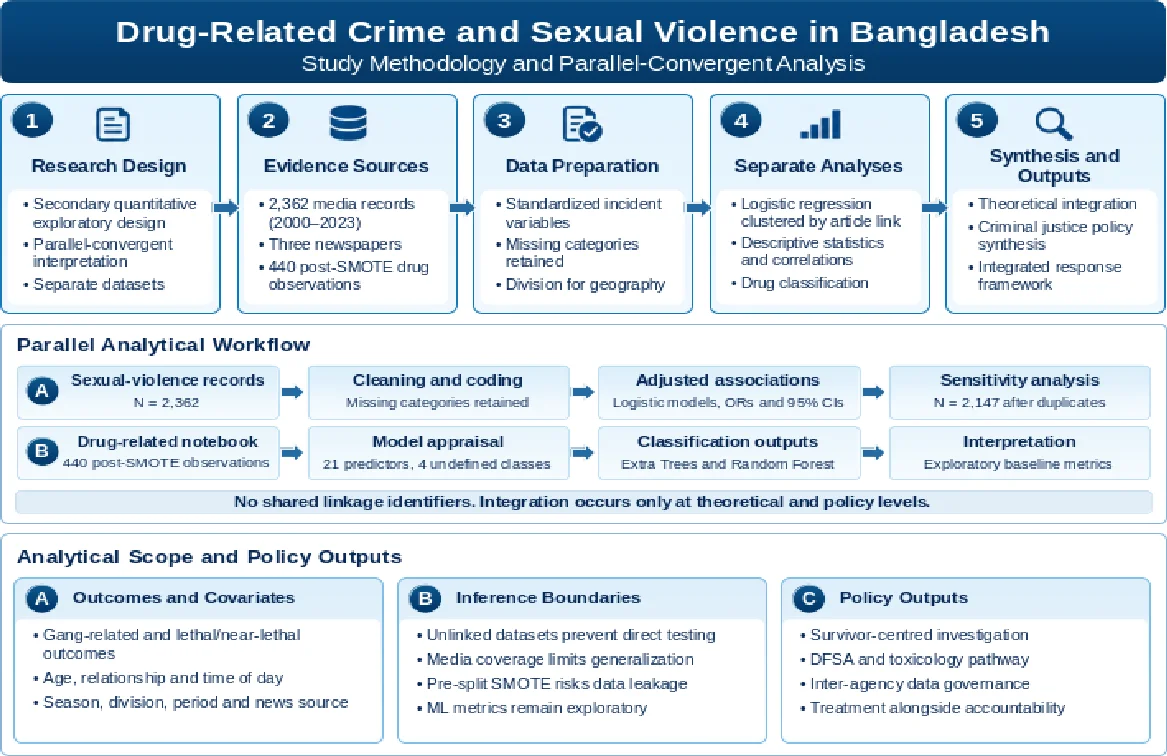
The potential overlaps in sexual violence and drugging are an important criminal justice concern in Bangladesh, but are understudied because of the lack of coordination of data across law enforcement, forensic, health, and narcotics-control institutions. This paper is an examination of these gaps in the evidence in the context of a parallel-convergent quantitative evidence synthesis design with two separate, unlinked datasets. The primary dataset analysed was comprised of 2,362 media-documented
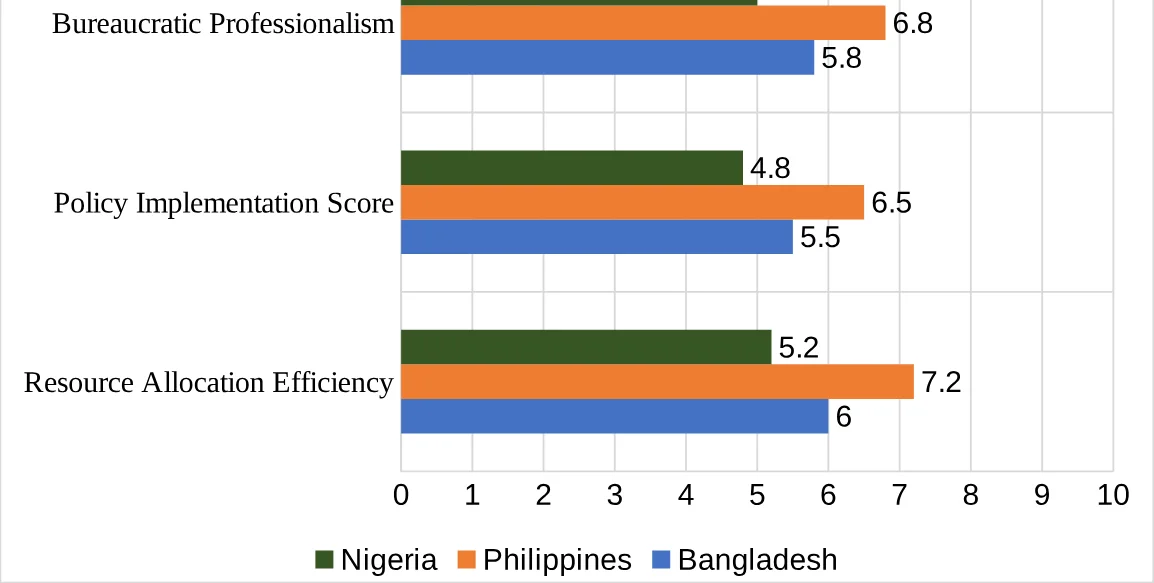
Narcotics crime poses continuous threats to the health, security and stability of the state of developing countries because of institutional frailty, lack of resources, and divided governance, the effective implementation of the rule is a challenge in most criminal cases. This paper looks at the importance of governance capacity in the formation of the institutional responses towards narcotics crime using Bangladesh as the main case study and Philippines and Nigeria as point of comparison. It al
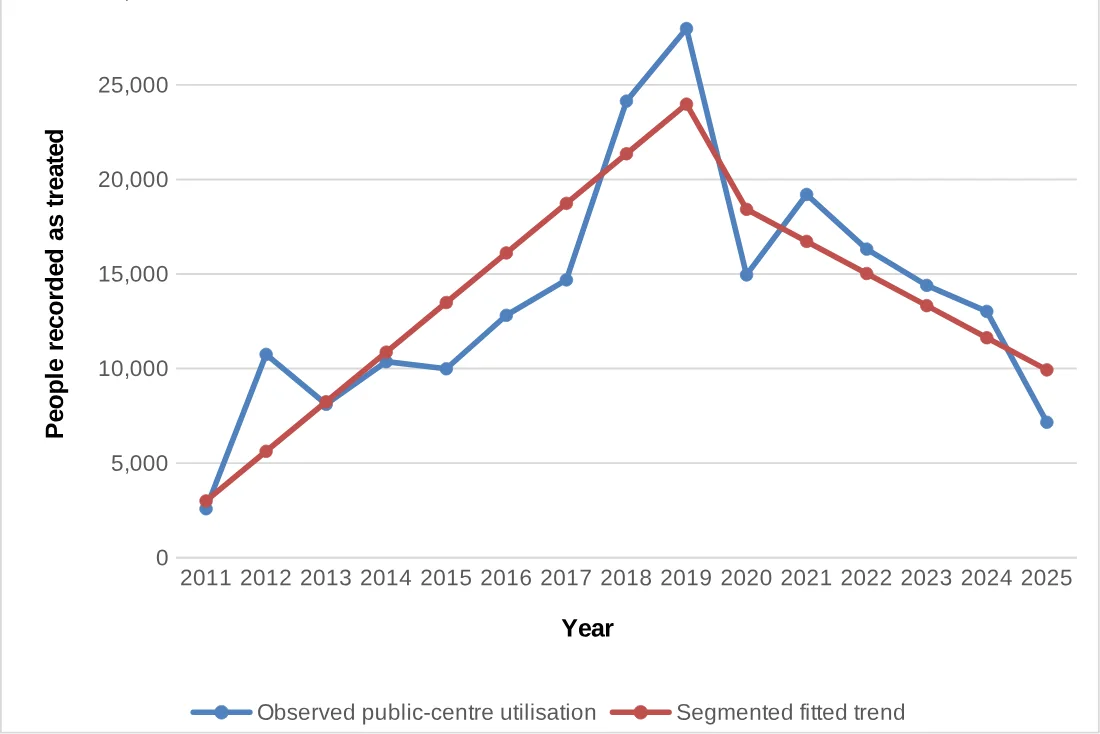
Although treatment and rehabilitation are acknowledged within the Bangladeshi narcotics-control framework, criminal-justice responses are still very enforcement-driven and are not linked to a standardised clinical diversion continuum. This study creates a framework for eligible dependence linked cases based on evidence and maintains conventional prosecution for serious trafficking and violence. A convergent mixed-evidence design was used, which included doctrinal legal analysis, structured integ
Bangladesh’s Constitution guarantees a set of fundamental rights that sit at the heart of criminal justice: equality before law, protection of law, personal liberty, safeguards against arbitrary arrest and detention, fair trial protections, and freedoms of expression and association. At the same time, the State carries constitutional and international obligations to protect public order and security, prevent crime, and respond to emerging threats such as cybercrime and violent extremism. This pa
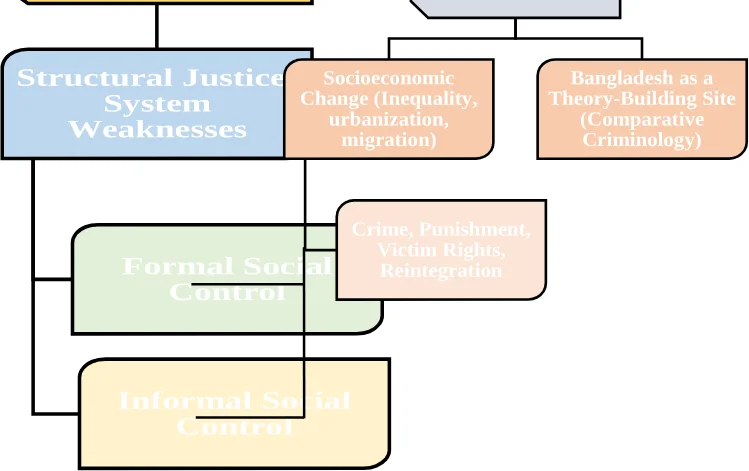
Bangladesh is rarely the focus of comparative criminology studies, however, it can provide significant insights into the nature of crime, punishment, and social control in various societies. This study adopts a Bangladesh-centred contextual–comparative approach to connect issues which are typically analysed individually the postcolonial continuity of the legal system, weak prosecution, judicial delay, overcrowding in prisons, victim rights restrictions, weak prisoner reintegration, gender-based
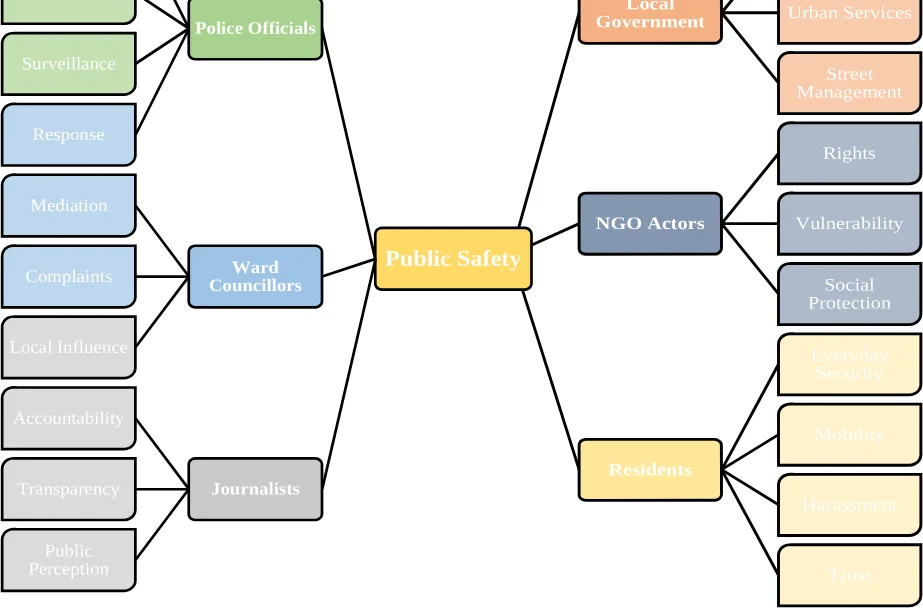
Public safety is often considered to be a problem-solving topic. The current study suggests that public safety would be best formulated as a negotiated regime a dynamic process of actors, resources, and practices that create, contest, and implement the urban order. The ideas of public safety regimes and negotiated social order are applied to analyze public safety governance in Dhaka, Bangladesh's capital. It adopts a qualitative case study approach that combines semi-structured interviews with p
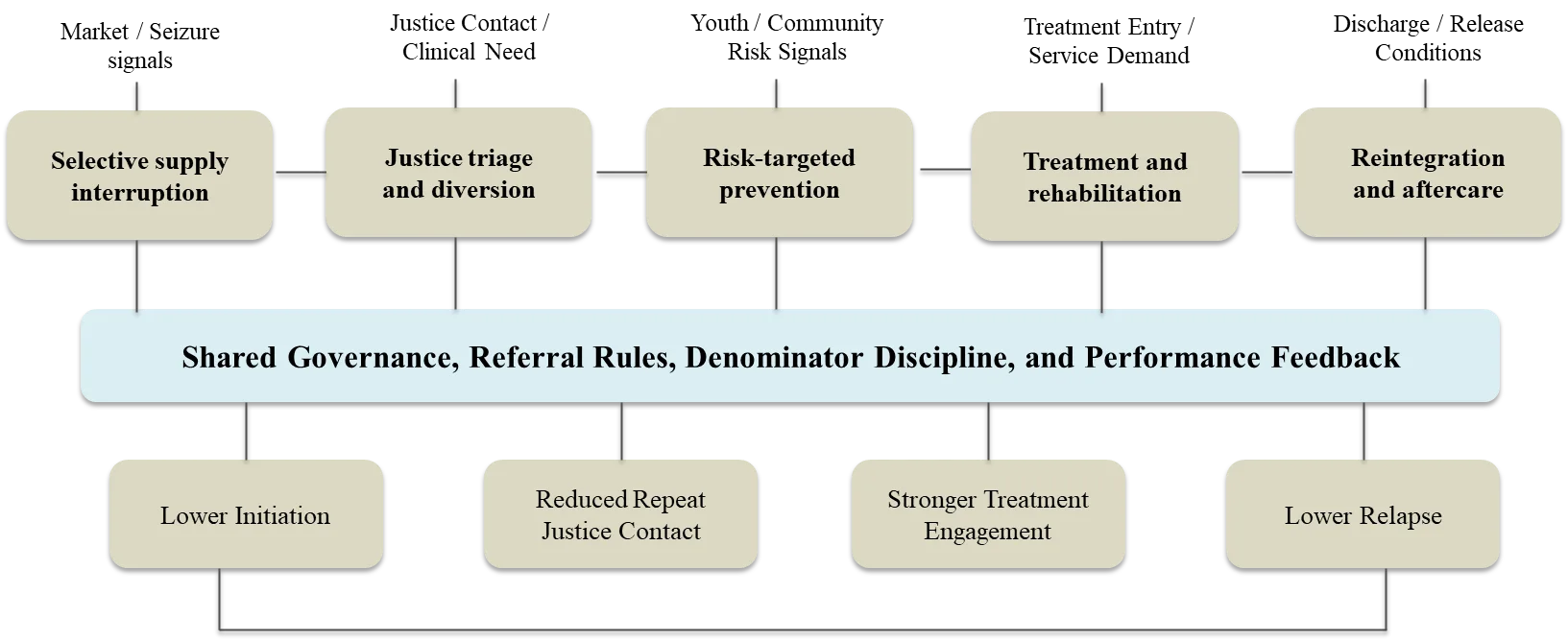
Bangladesh faces a drug-prevention challenge shaped by illicit-market adaptation, youth vulnerability, punitive justice contact, treatment constraints, and relapse after residential rehabilitation. This study develops an integrated policy framework linking criminal justice, public awareness, treatment, and social reintegration. The study relied exclusively on secondary data: a convergent policy diagnostic combined 2022 Department of Narcotics Control administrative statistics with published aggr
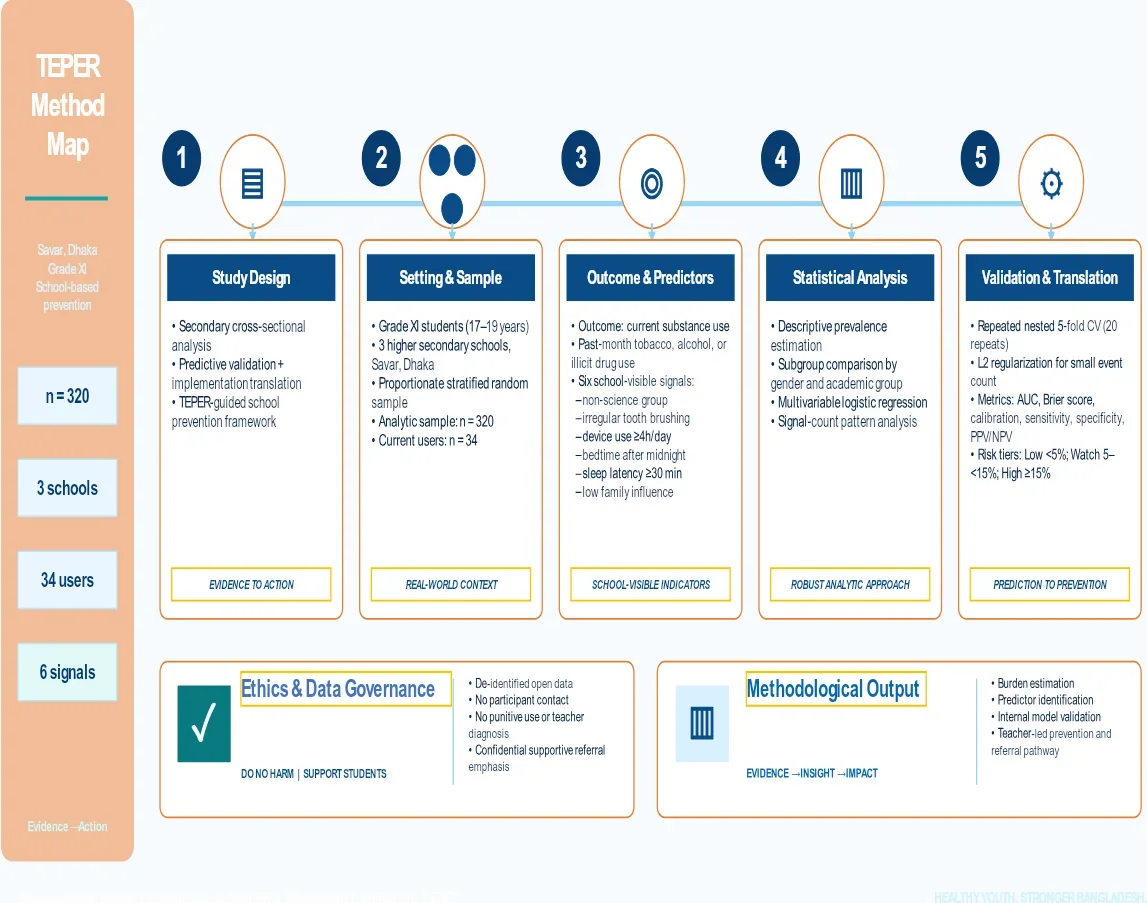
Adolescent substance use poses a risk to health, learning, and development in Bangladesh, but teachers' preventive and early-response roles are not well defined. This study converted student risk patterns into a school-based drug demand-reduction model with a teacher focus. A secondary analysis used a reproducible, proportionate gender-by-academic-group stratified sample of 320 complete Grade XI records from three schools. The following methods were used: prevalence estimation, comparison of sub
International human rights law has profoundly reshaped the normative foundations of criminal justice systems across the world. Instruments such as the International Covenant on Civil and Political Rights and the Convention against Torture articulate clear standards on arrest, detention, trial fairness, and punishment, framing state coercion as legally bounded rather than discretionary. Yet, the translation of these norms into everyday criminal justice practice remains uneven. This paper examines